Beyond Green: Rethinking Social Value in Rural Construction
A reflective look at how rural construction projects in Nigeria deliver powerful social value often missed by ESG metrics, and why that perspective must shape how we define success in construction.
9/6/20242 min read
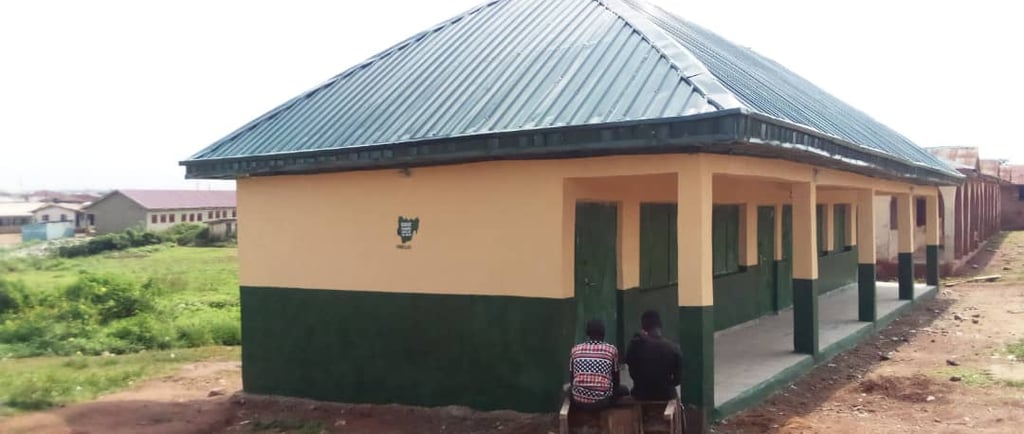
When people talk about sustainability in construction, they often jump straight to green buildings, carbon metrics, or energy ratings. And those things matter. But in the places I’ve worked, sustainability has always meant something more basic, especially when getting to the site sometimes required paddling across a river with sandbags.
More Human
In many rural communities across Nigeria, construction isn’t just about reducing emissions. It’s about building dignity. A block of classrooms in a remote village does more than just hold students. It holds futures. A maternity center within walking distance changes the trajectory of generations. These are not abstract benefits. They are measurable social value.
The Real Social Infrastructure
Most of the projects I delivered in these communities weren’t glamorous. We weren’t talking about smart buildings or net-zero targets. We were trying to get materials through without proper roads. Sometimes we worked without electricity. Sometimes we sourced water from the same place the villagers fetched theirs, if it was even available.
But every borehole we drilled, every classroom we finished, and every shop we constructed in a border community had ripple effects. Local labor got hired. Small-scale suppliers became part of the project supply chain. Communities started to see construction not as a disruption but as a partnership.
That’s the kind of social value that ESG metrics often miss.
Social Value Can’t Be Cut and Paste
Working on my master’s degree in the UK, I noticed how ESG has been formalized into frameworks, KPIs, and compliance reports. That’s necessary, especially for large projects and public procurement. But I’ve also seen how easy it is to treat social value like a checkbox.
In rural construction, you can't copy and paste your way through impact. What matters in Ogbomoso might not move the needle in Kawari. Community engagement must be specific. What do they need? What do they value? If the answers don’t come from the ground up, you’re just writing impressive reports for the wrong audience.
What Counts and What Should Count
We often measure what’s easiest to quantify. But sometimes, the most meaningful outcomes resist tidy measurement. Things like:
How many young people came to the site just to watch and later asked about apprenticeships.
How local leaders began attending project meetings and offering support.
How market activity shifted when new shops were built.
These things don’t always show up in reports, but they are powerful indicators of progress. We need to make space for these kinds of values in the way we think about success in construction.
Why This Matters Now
Social value is not just about innovation. Sometimes, it is about presence. Sometimes, it is about consistency. Sometimes, it is just about doing what is necessary in the places that have been overlooked for too long.
Sustainability, in the truest sense, starts with people. And any definition of success in construction that forgets that is missing the point.